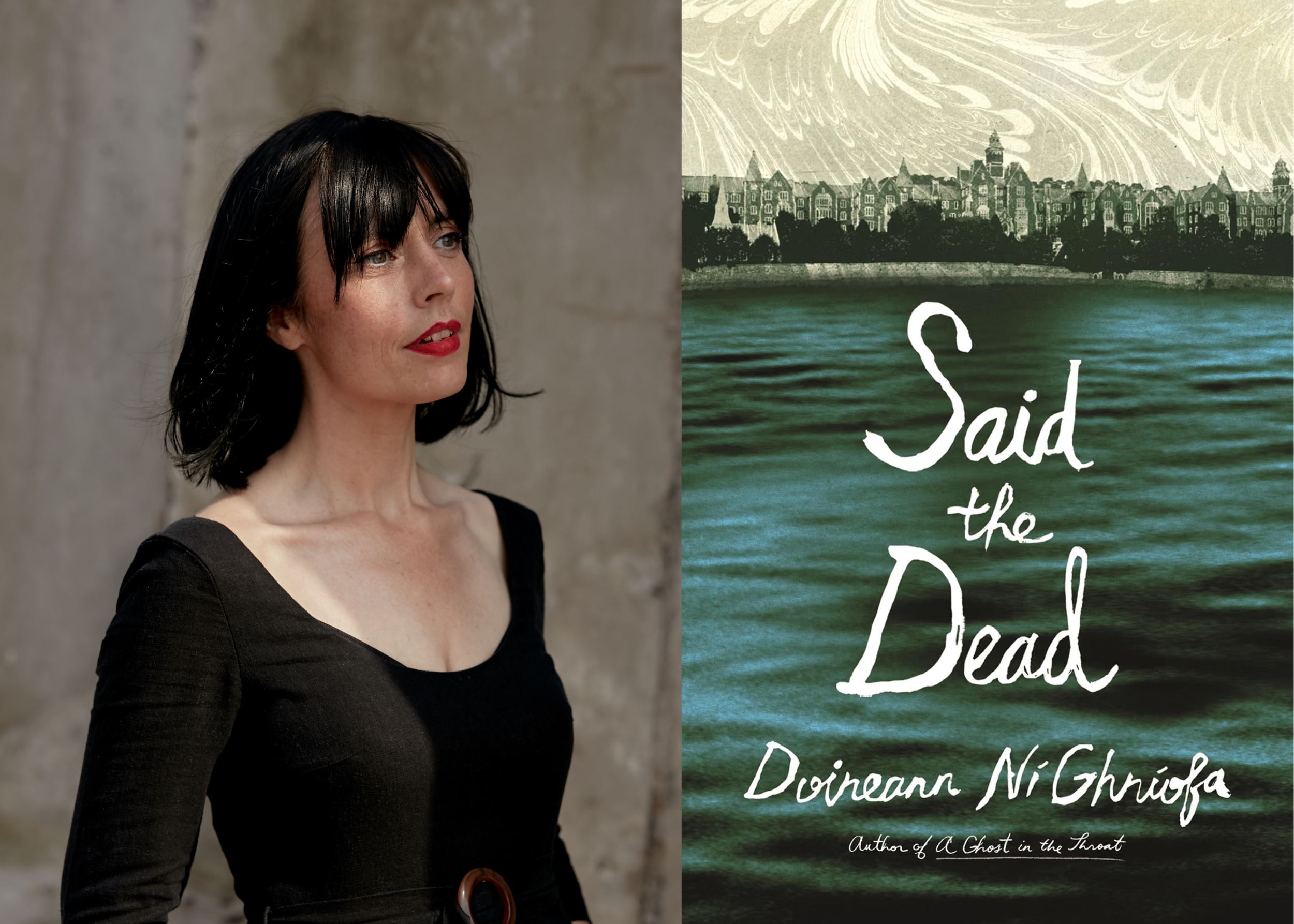
Shobha Rao’s Recommended Reading List
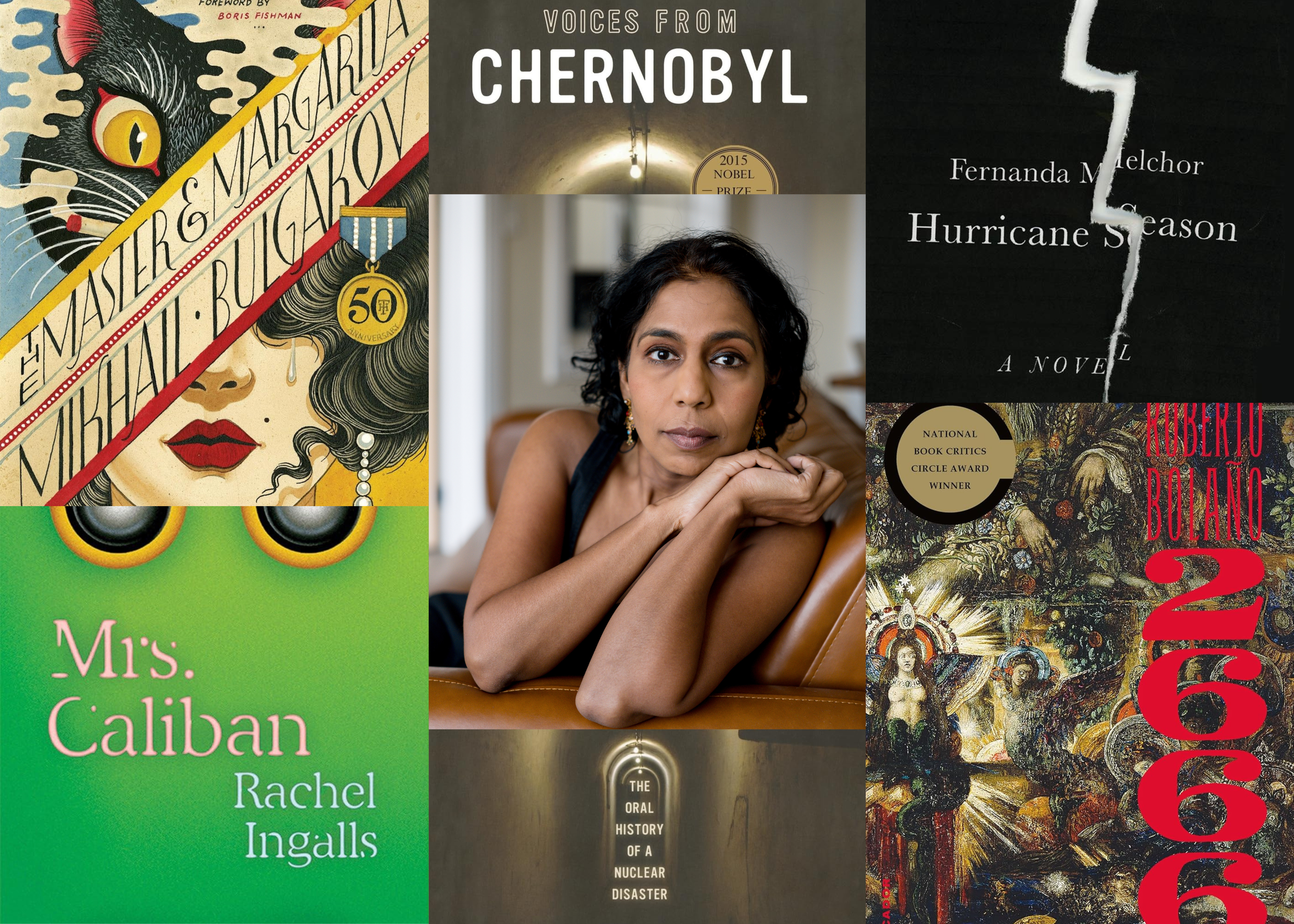
Photograph of Shobha Rao by Tiana Hunter
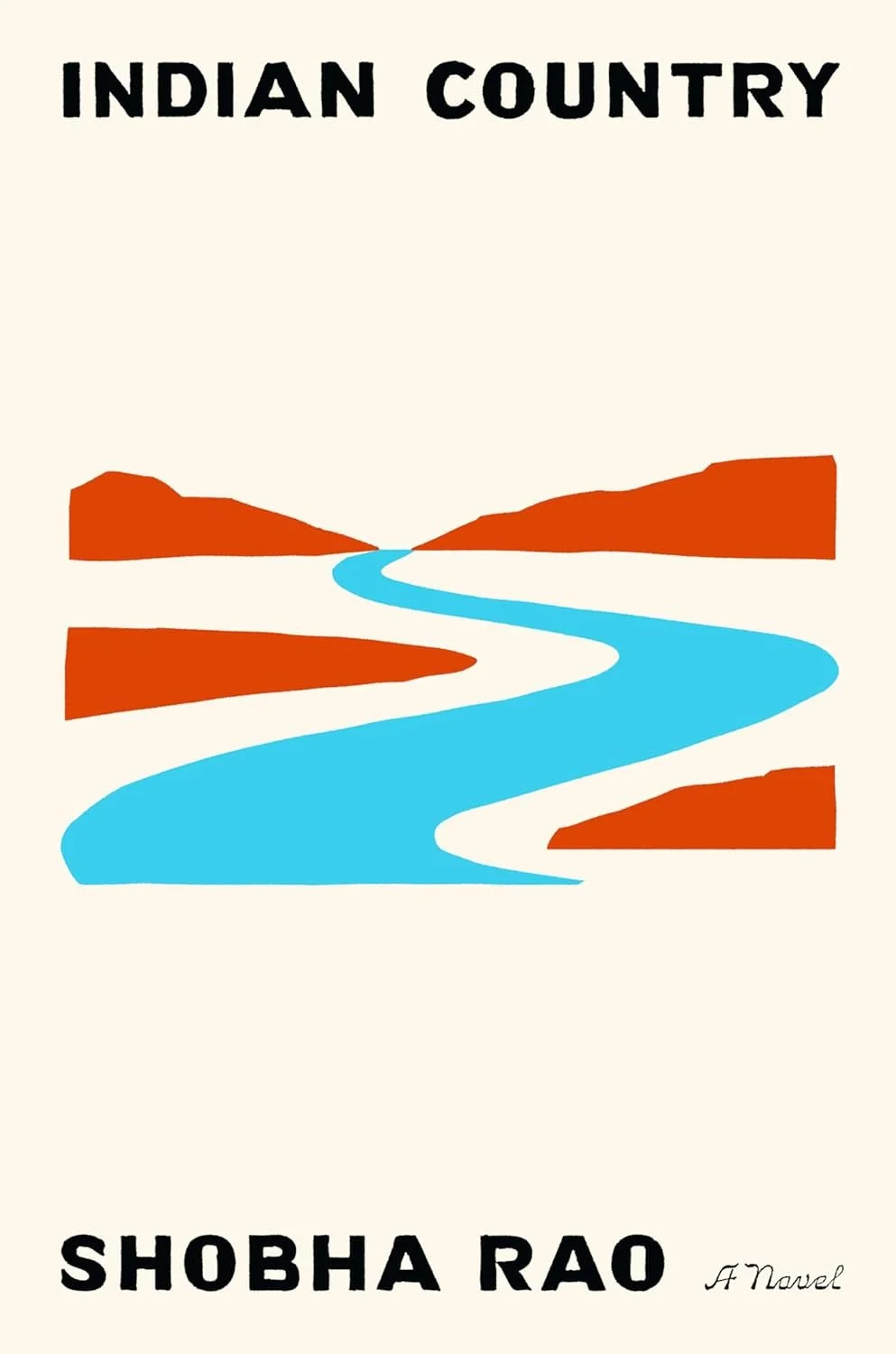
Shobha Rao is the author of An Unrestored Woman, a short story collection, and the novels Indian Country and Girls Burn Brighter which was long listed for the Center for Fiction First Novel Prize and was a finalist for the California Book Award and the Goodreads Choice Awards. Her latest novel Indian Country was declared by Ms. Magazine to be “a powerful statement on race, colonialism and tradition.” Reviews continued to soar in, as The New York Times Book Review stated, “Rao’s prose is so controlled it feels as if she’s drawing a masterly bow across violin strings.”
Shobha shares her recommended reading list with us below!
To learn more about Shobha and her inspiring career, visit here.
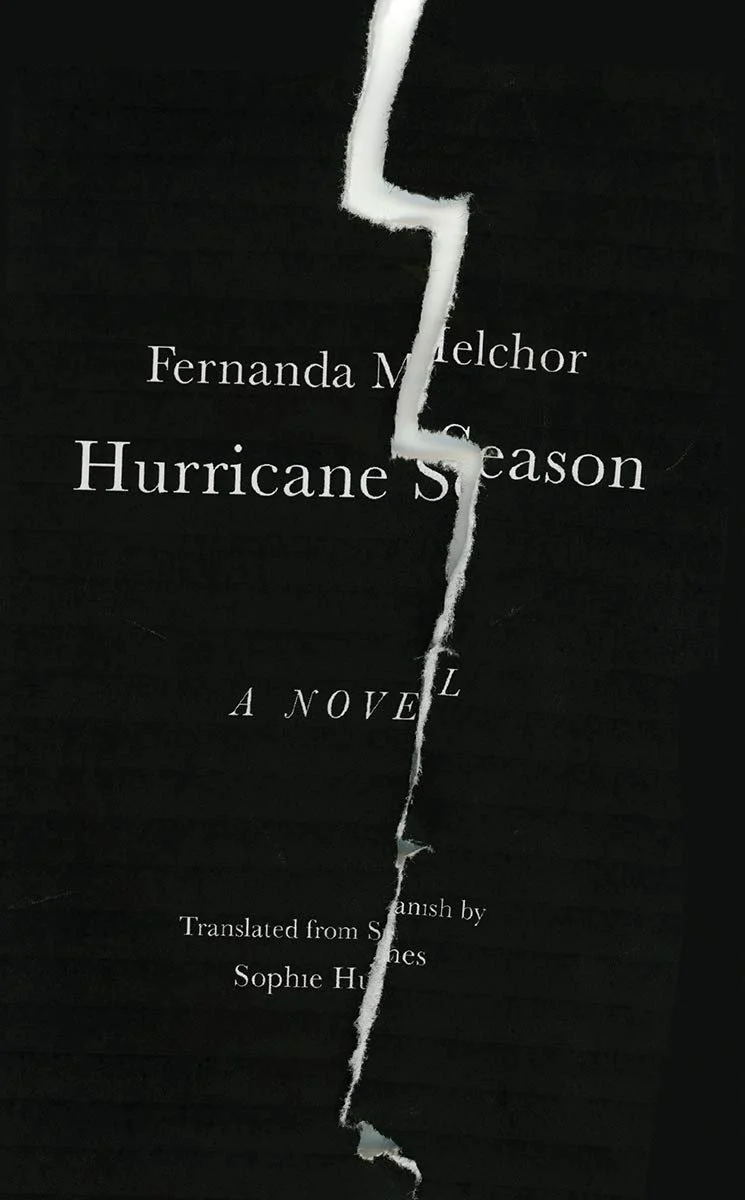
“A witch is found dead. Her body is discovered by a group of children playing near an irrigation canal in a rural Mexican village. Various narrators, themselves subject to unrelenting and unforgiving brutality, corruption, and abuse recount what they know of the murder. This novel does not play nice. It does not prevaricate. It grabs you by the scruff of the neck, drags you down a dusty, Mexican street, and only when you realize there is no mercy, that mercy is reserved for the very fortunate and for the very few, and certainly not for anyone in this tormented village, does it let go.”

“If it is true that we are born again and again in the course of a single life then my most momentous rebirth, literary and otherwise, came when I read 2666. As with all things that seduce us with words, I was unprepared for the strangeness and the beauty and the euphony of its language. It is storytelling as a way of telling life – long, meandering pages, dialogues, digressions, and monotony, even in murder, but then a line so sharp you look up from the page expecting blood.”
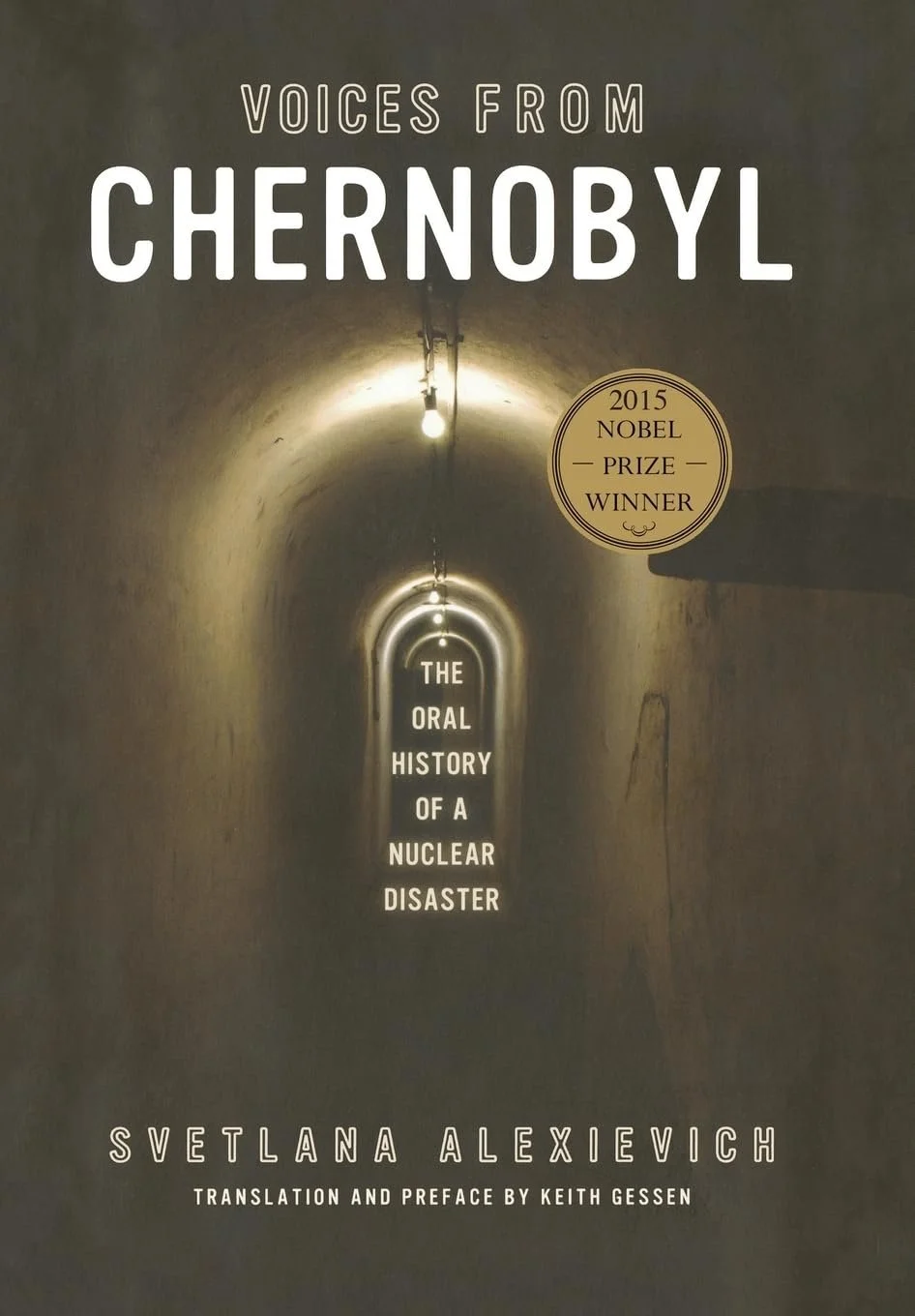
“On April 26, 1986, a series of explosions at the Chernobyl Nuclear Power Plant released catastrophic levels of radiation into the atmosphere. Voices of Chernobyl: The Oral History of a Nuclear Disaster is a compilation of monologues collected from the survivors of this unprecedented disaster by Alexievich, who won the Nobel Prize in Literature for her work. Alexievich’s utter genius is in the collection and arrangement of these piercing, elegiac, and tender oral histories. One woman in the nearby town of Pripyat, whose husband was a firefighter sent to put out the flames and who subsequently died horribly of radiation poisoning, recalls people standing on their balconies, looking at the crimson cloud in the sky. “We didn’t know that death could be so beautiful,” she says.”
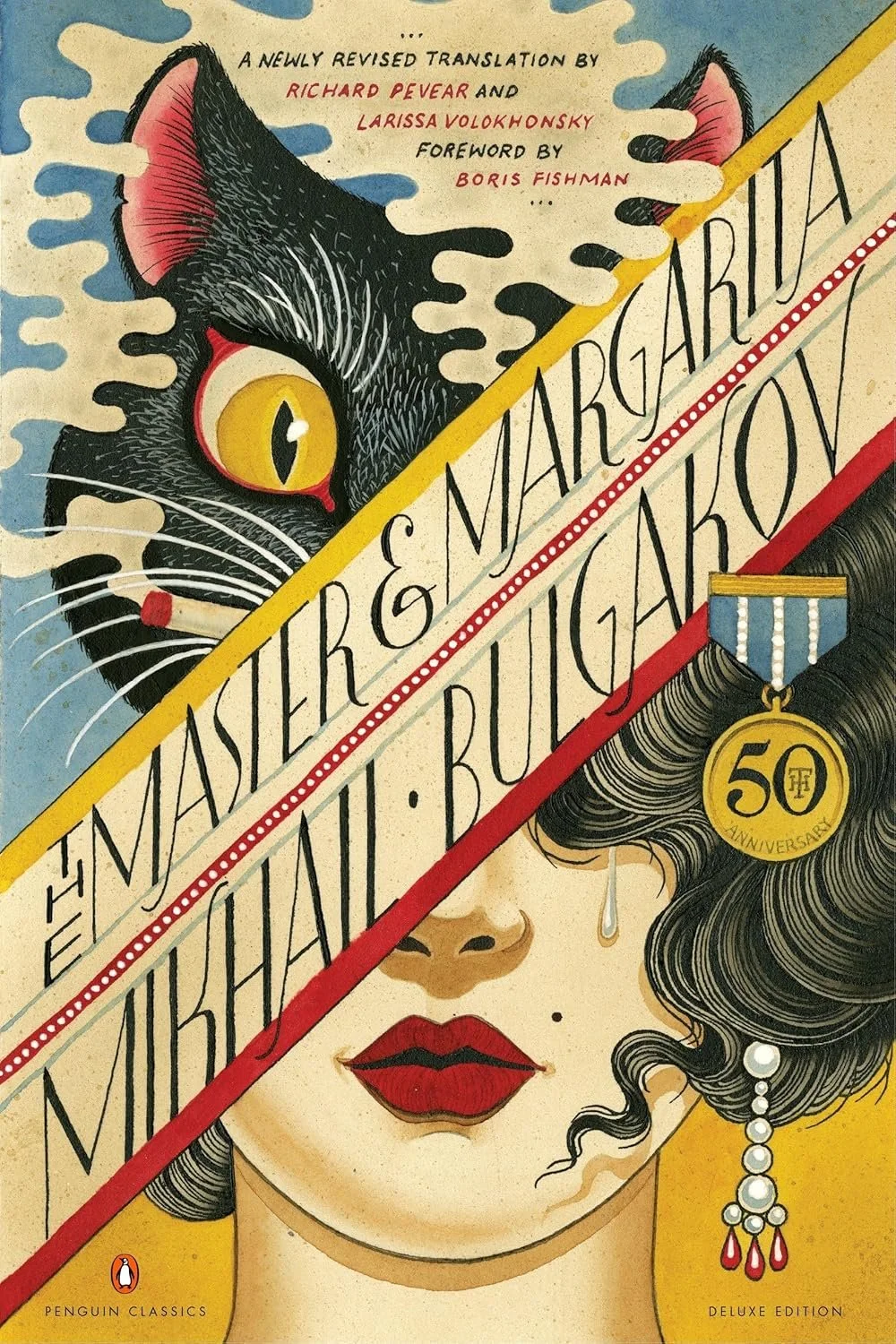
“A subversive, satirical novel that was published after Bulgakov’s death, The Master and Margarita has two main story threads: that of the devil coming to 1930s Moscow with his entourage (my favorite being Behemoth, the vodka-swilling, gun-toting, chess-playing giant cat) and wreaking havoc on the locals, especially the literary elite, and another that takes place in ancient Jerusalem. This novel has inexhaustible energy and humor and pathos, and of its many storylines, the one that moved me most is that of Pontius Pilate, whose decision to execute Jesus and his ensuing remorse over that decision is the most poetic and perspicacious writing exploring regret I have ever encountered.”
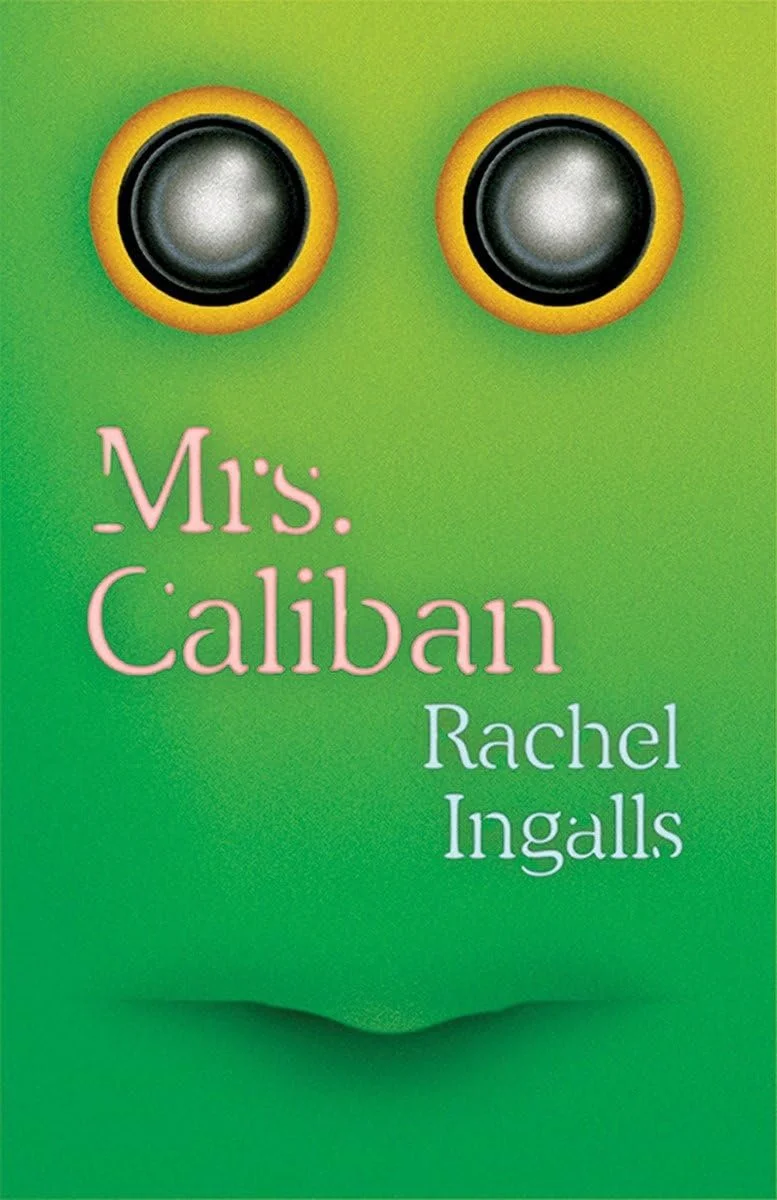
“Dorothy, a middle-aged woman in a loveless and lonely marriage, meets Larry, an amphibian frog-man who is kind, affectionate, and has the most charming of vices – avocados. They start a love affair and what follows is a tranquil, weird, funny, and arresting story of how a woman, locked in grief and serial loss, finds a pathway through her sorrow. Is Larry real? Or is he a figment of Dorothy’s trauma? It does not matter. In this quiet exploration of sadness is a greater, mind-bending exploration of what freedoms means, what brilliance female sadness can beget, and what wonderful things pure love – the kind that makes you unafraid – can propagate.”
Read More